Why does tape stop sticking? Seven causes, and the checks a distributor can do
Tape that will not stick is usually dust, cold, damp, age or a weak press. Seven causes, a simple side-by-side test, and storage rules for your godown.
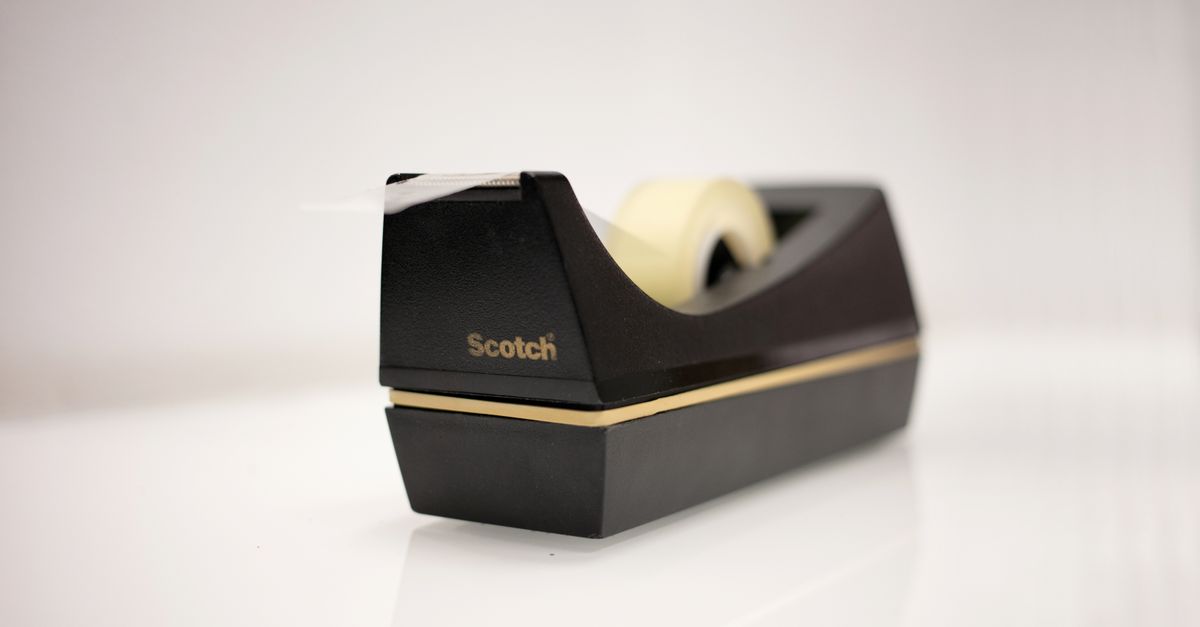
Tape usually stops sticking because the surface is dusty, oily or damp, the tape or the paper is cold, it was pressed too lightly, or the roll is old or was stored badly. The tape itself is faulty less often than people think. A simple side-by-side test on clean card tells you which one you are dealing with in a few minutes.
In winter, some version of this complaint often travels up the chain. A parent tells the shop the tape is useless. The shop tells the distributor. The distributor calls the maker.
At Jagannath Polymers Pvt Ltd (JPPL) we make clear BOPP stationery tape with our own water-based acrylic adhesive. We are at the end of that chain. We would rather hear about a real fault than lose a good distributor over a cold morning, so I want you to be able to sort the real faults from the rest before a carton comes back.
How does tape stick in the first place?
Stationery tape is a pressure sensitive tape. The Bureau of Indian Standards puts it simply: these tapes need only a little pressure to stick to a clean, dry surface, with no moisture or heat (BIS, IS 13262:1992, reaffirmed 2003).
Read that sentence again, because three of the seven causes below are hiding in it. A little pressure. Clean. Dry.
Seven reasons tape stops sticking
1. The surface is dusty or oily
Adhesive sticks to whatever it touches first. If that is chalk dust, eraser crumbs or the oil from a hand that just ate pakoras, the tape sticks to the dirt and the dirt lets go of the paper.
Wipe the spot with a dry cloth.
Keep fingers off the sticky side.
2. The roll itself is dusty
This one is common in shops. An open roll lying on the counter collects dust on its edges and on the outer turn. The first strip a customer pulls is the worst strip on the roll, and that is the one he judges it by.
I would check this first in any shop complaint. Pull off and throw away the first 15 to 20 cm of an old display roll before you test it.
Keep stock rolls in their carton or polybag until they go on sale.
3. It is cold
This is the big winter one. If a complaint arrives in December or January, I would ask one question before anything else: what was the temperature in the room?
A 2025 paper by two Henkel engineers, published by the Pressure Sensitive Tape Council, explains that as the temperature falls, pressure sensitive adhesives first lose their tackiness and their ability to wet out the surface (Velasco and Harbinson, PSTC, 2025). In plain words, the adhesive gets too firm to flow into the paper.
Think of ghee on a December morning. The same ghee that pours in May sits like a block in a cold kitchen.
Nothing is wrong with the ghee.
The same paper found something useful too. Once a bond had been made at room temperature, putting it in the cold later did not affect it as much. So the fix is to apply the tape warm. Bring the roll and the notebook into a warm room for a while, then press firmly.
4. The surface or the tape is damp
"Dry" is in the standard for a reason. Water on paper or film gets between the adhesive and the surface.
Water-based acrylic adhesives have a second sensitivity. A 2007 research paper listed by the USDA Forest Service found that the dried film of these adhesives has pathways that let water in, so it behaves differently wet and dry (Houtman et al., 2007). Damp storage and wet surfaces are both bad news. I explain this adhesive in more detail in water-based acrylic adhesive tape.
5. It was pressed too lightly
A quick tap with one finger is not a press. Run your thumb along the whole strip, firmly, once. That alone fixes a surprising number of "bad" rolls.
6. The roll is old
Tape is not like a steel scale. It ages.
IS 13262 expects rolls to keep meeting its requirements for at least one year from the date of making. The condition is that they are stored on their flat sides in their unopened cartons at 27 plus or minus 2 degrees C and 65 plus or minus 5% relative humidity. The same standard asks makers to print the month and year of making and the batch number on every container.
So the carton tells you the age.
A carton with no date tells you nothing, and that is a reason to ask your supplier questions.
7. It was stored hot, damp or squashed
The one year in the standard is for that controlled storage. A tin-roofed godown in May, or a carton against a damp wall in the monsoon, is a different story. I would not expect the same shelf life there, and I would not promise it to a retailer.
Squashing matters too. The standard asks for rolls wound evenly and free from telescoping, where the turns slide out sideways like a cone. A carton crushed under heavier boxes can push rolls out of shape, and the edges then pick up dust.
What simple test can I do before blaming the tape?
Do this before any roll goes back to the supplier.
- Bring the suspect roll and a fresh roll from a closed carton into a room at normal temperature. Leave both for an hour.
- Throw away the outer 20 cm of each.
- Stick a 10 cm strip of each on the same piece of clean, dry card.
- Press both firmly with your thumb, the same way.
- Wait one minute, then peel both slowly.
If both hold, the tape was fine. The problem was cold, dust or the surface where it was used.
If the fresh roll holds and the suspect roll does not, the suspect roll is old, dusty or badly stored. Check its carton date.
If both fail, and the cartons were stored well, the fault may be in the tape. Then it is the maker's job, and if we made the roll, it is ours.
| What you see | Likely cause | What to do |
|---|---|---|
| Fails only in winter mornings | Cold | Warm the roll and the paper, press harder |
| First strip fails, later ones hold | Dusty outer turn | Throw away the outer turns |
| Fails on one notebook, holds on card | Dirty, oily or damp surface | Wipe and dry the surface |
| Fresh roll holds, old roll fails | Age or storage | Check the carton date, sell old lots first |
| Both rolls fail, stored well | Possible tape fault | Send the batch number to your supplier |
How should a distributor store tape?
Keep it simple and you avoid most of the complaints in this article.
- Store cartons closed, off the floor, away from damp walls and direct sun.
- Keep rolls lying flat on their sides.
- Do not stack heavy cartons on top of tape cartons.
- Write the month you received each carton on the outside. Sell the oldest first.
- In winter, let a carton come up to room temperature before your retailers test it in front of a customer.
The same storage rules apply to the notebook covers you keep beside the tape, and our December to July calendar helps you avoid carrying too much old stock in the first place.
When it really is the tape
Sometimes it is. I will not pretend every complaint is cold weather, and I will not ask you to argue with your retailer on our behalf.
If your side-by-side test fails on a roll from a closed, well-stored carton, send us the batch number from the carton, the date you received it and a photo of the test. We make the adhesive and coat it ourselves, so a batch number gives us a particular production lot to investigate, not a guess. You can reach us through our contact page, and our stationery tape page lists the widths we make.
And if the test passes, tell the parent to warm the notebook first. It works.
Questions buyers ask
Why does tape not stick in winter?
Pressure sensitive adhesives lose tack as they get cold, so they cannot wet out the surface properly. Keep the roll and the paper at room temperature for a while before use, and press harder. Tape stuck on at room temperature holds much better in the cold afterwards.
Can old tape be made sticky again?
Not really. Warming a cold roll to room temperature helps if cold was the problem. If the tape is dusty, damp or past its life, pull off and throw away the outer turns. If the inner turns also fail, the roll is finished.
How long does stationery tape last on the shelf?
The Indian standard expects at least one year from the month of making when rolls are kept in unopened cartons at about 27 degrees C and 65% relative humidity. A hotter, damper store is outside that, so sell older lots first.