Water-based acrylic adhesive tape: what it is, and why it suits school and office use
What water-based acrylic adhesive tape is, how it differs from rubber adhesive, where it works well, its real limits, and how to test a roll yourself.
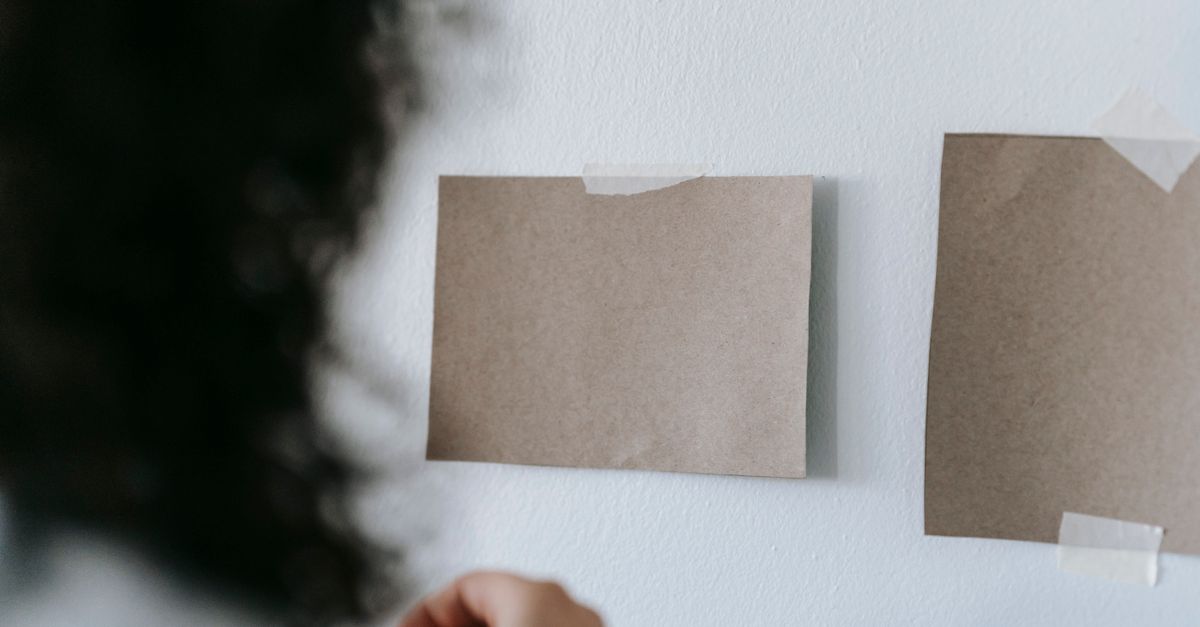
Water-based acrylic adhesive tape is tape whose glue is an acrylic polymer that was spread on the film as a mix in water, then dried. What stays on the roll is a dry, clear, pressure sensitive layer that sticks with a light press. It suits school and office use because acrylic adhesives stay clear and age well, which is what you want on a notebook cover or a chart that stays up for months.
I am writing this because distributors ask us about "water-based" more than about any other word on our tape. Some think it means the tape needs water. Others think it means the tape is weak. Neither is right.
At Jagannath Polymers Pvt Ltd (JPPL) we make clear BOPP tape and coat it with a water-based acrylic adhesive that we make in our own plant. So I have a stake in this, and I will tell you where the chemistry helps and where it does not.
What does "water-based" actually mean?
It is about how the adhesive is applied. It is not about how the tape is used.
A water-based acrylic adhesive starts as an emulsion: tiny particles of acrylic polymer held in water, kept from clumping together by surfactants. When it is coated on film and dried, the particles merge into one continuous adhesive layer. A 2007 research paper listed by the USDA Forest Service describes exactly this: as the adhesive dries, the polymer particles coalesce into a film (Houtman et al., TAPPI Research Forum on Recycling, 2007).
Think of distemper on a wall. The water is there only to carry the colour and spread it evenly. Once the wall dries, the water is gone and the colour stays. In the same way, by the time a roll of our tape is wound and packed, there is no wet adhesive left in it.
The other common way to apply adhesive is with an organic solvent instead of water. A US patent on acrylic emulsion tape, granted in July 2025, notes that solvent-type adhesives give off volatile organic compounds and that solvent-free, water-based adhesives are being developed as the alternative (US Patent 12,371,592 B2). I will leave it there. The point for a distributor is simply this: water-based describes the factory process.
Is it the same as gummed tape?
No, and this confusion is common.
Gummed tape is the kind you wet with a sponge before you stick it. Water-based acrylic tape is a pressure sensitive tape. The Bureau of Indian Standards describes this kind of tape as needing no moisture, heat or other special preparation before use, and only a little pressure to stick to a clean, dry surface (BIS, IS 13262:1992, reaffirmed 2003).
So a student pulls it, presses it, and it holds. Nothing to wet.
Acrylic or rubber adhesive: what is the difference?
The two big families of tape adhesive are rubber and acrylic. Each has a real strength.
The German tape maker tesa explains the trade-off well in its own guide, last updated in May 2024 (tesa, 3 types of adhesives explained). Natural rubber adhesives have high initial tack, so they grab fast. But rubber adhesives lack ageing properties and do not resist UV well. Acrylics have less tack than rubber unless tackifiers are added, but they have better temperature resistance and they do not yellow when left in the sun.
An academic review from the West Pomeranian University of Technology in Poland says much the same about acrylics: exceptional optical clarity, excellent ageing and non-yellowing (Antosik, Bartkowiak and Czech, 2022).
| Rubber adhesive | Acrylic adhesive | |
|---|---|---|
| First grab | High | Lower, unless tackified |
| Ageing | Weak point | Strong point |
| Sunlight | Not UV resistant | Does not yellow |
| Temperature resistance | Lower | Better |
Sources: tesa (May 2024) and Antosik et al. (2022), linked above.
Why does acrylic suit stationery tape?
Think about where stationery tape actually lives.
- On a notebook cover, for the whole school session. Ageing matters more than the first second of grab.
- On a chart near a classroom window. A tape that turns yellow in the sun looks dirty in a few weeks.
- On clear covers, where the tape should be nearly invisible. Clarity matters.
- On paper and card, pressed by hand. A light press is all the student will give it.
Rubber's fast grab is a real advantage for some jobs. For a clear tape that has to stay neat on paper for months, I think acrylic is the better fit. That is the reason we chose it.
What are the limits of water-based acrylic tape?
I promised to be honest, so here are three.
- It grabs less on first touch than a rubber tape, as tesa notes. Press it with your thumb and run along the strip. A quick tap is not enough.
- It is not for wet jobs. The same 2007 study found the dried adhesive film has pathways that let water in, so the film behaves very differently wet and dry. Keep it on dry paper, card and files.
- It does not like being applied in the cold. A 2025 paper by Henkel engineers, published by the Pressure Sensitive Tape Council, explains that pressure sensitive adhesives lose tack and the ability to wet out a surface as temperature drops (Velasco and Harbinson, PSTC, 2025). The paper tested water-based acrylic, UV acrylic and hot-melt rubber adhesives, and every one of them had a minimum temperature below which it could not be applied well.
None of these is a problem on a school desk. All three matter if someone tries to use stationery tape for the wrong job.
Why do we make the adhesive ourselves?
We make our adhesive in our own plant instead of buying it ready-made, and we coat it on the BOPP film ourselves.
For a distributor, the practical meaning is simple. When you send us a complaint with a batch number, we are not passing it on to an adhesive supplier and waiting. The adhesive and the coating both happen under our roof.
How can I test a roll myself?
You do not need a laboratory for a first check.
- Let the roll sit at room temperature for an hour if it came from a cold godown.
- Stick a 10 cm strip on clean, dry card. Press it firmly with your thumb along the whole length.
- Wait a minute, then peel it slowly. It should hold firmly and peel off the roll without leaving glue on the turn below.
- Stick a second strip on a window that gets sun, and look at it after a few weeks. It should still look clear.
- Compare the same test with a roll you already trust.
If you want to compare our tape with what you sell today, ask us for a sample with your next notebook cover enquiry. Our stationery tape page lists the widths, and our note on cello tape vs BOPP tape explains the film side of the roll.
Questions buyers ask
Is water-based acrylic tape the same as gummed tape you wet before use?
No. Gummed tape needs water to become sticky. Water-based acrylic tape is already sticky on the roll. The water is used only in the factory to spread the adhesive, and it is dried off before the tape is wound.
Can water-based acrylic tape be used on wet surfaces?
No, keep it for dry jobs. Research on these adhesives shows the dried film behaves differently when wet. For paper, card, notebooks and files kept dry, it works well.
Is acrylic adhesive stronger than rubber adhesive?
Not always. Rubber adhesives usually grab faster on first touch. Acrylics are known for staying clear and ageing well. For stationery, where tape stays on a cover or chart for months, ageing matters more than the first grab.
Does acrylic tape turn yellow?
Acrylic adhesives are known for not yellowing in sunlight, and that is one reason we use acrylic on clear tape. If an old roll has yellowed anyway, check its month of making and how it was stored, and give the batch number to your supplier.