Stationery tape sizes: 12, 18 or 24 mm, and which width does which job
Stationery tape comes in 12, 18 and 24 mm widths. What each width is for, how inches map to mm, and how a distributor can check width and length.

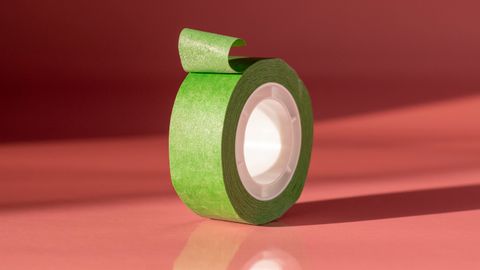
Stationery tape is sold mainly in three widths: 12 mm, 18 mm and 24 mm. The trade calls them half inch, three-quarter inch and 1 inch. Use 12 mm for small, neat jobs, 18 mm as the everyday desk roll, and 24 mm when you need more grip on paper, charts or files.
That is the short answer. The longer one matters to a distributor, because "18 mm x 30 m" printed on a carton is a promise, and not every roll keeps it.
At Jagannath Polymers Pvt Ltd (JPPL) we make clear BOPP tape and coat it with a water-based acrylic adhesive that we make in-house. For stationery we supply narrow widths, usually 12, 18 and 24 mm, and other widths to order. This guide is written for the distributors and wholesale dealers who sell that tape on to stationery shops.
Which tape width is used for what?
Here is how I would explain it to a retailer standing at the counter.
| Width | Trade name | Good for |
|---|---|---|
| 12 mm | Half inch | Notebook cover corners, small labels, name slips, gift wrap, sealing an envelope flap |
| 18 mm | Three-quarter inch | The everyday desk dispenser roll. School bags, offices, homes. Most small jobs |
| 24 mm | 1 inch | Fixing charts and posters at the back, closing files, sticking project work on card, longer joins |
If a retailer can keep only one width, I would tell him to keep 18 mm. It is wide enough to hold a chart corner and narrow enough to fix a notebook cover without showing.
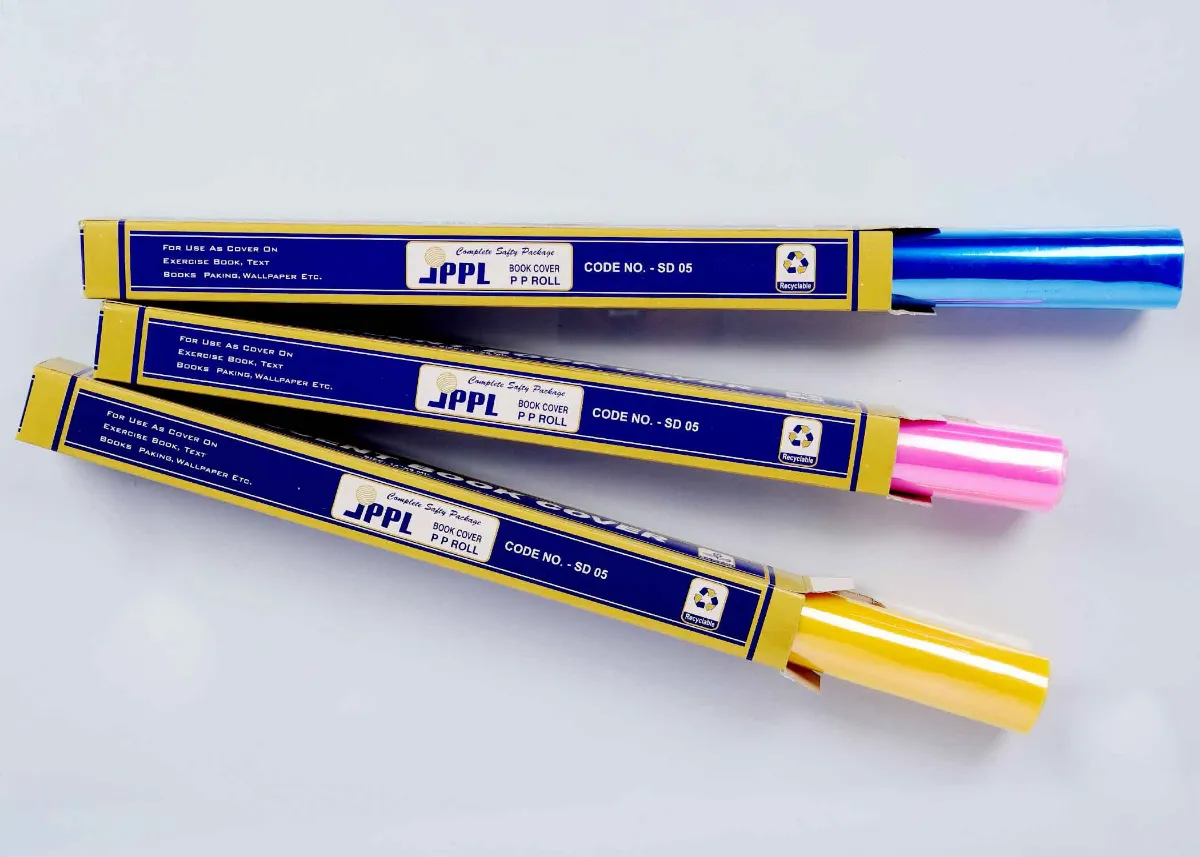
If he can keep two, add 12 mm for school season. Parents covering ten notebooks on a Sunday want a small strip at each corner, not a thick band. Our guide on how to cover a book without bubbles shows where that strip goes.
24 mm is the width for project work and offices. It is also the width where stationery tape starts to overlap with packing tape, which I come to below.
Why "half inch" tape measures 12 mm
One inch is 25.4 mm. So a true half inch is 12.7 mm and a true three-quarter inch is 19.05 mm.
The trade rounds these down to 12, 18 and 24 mm and keeps the inch names. Nobody is cheating anyone here. It is simply how narrow tape has been sold for years.
It matters in two places. First, when a buyer compares two quotes, one in inches and one in mm, make sure both are talking about the same roll. Second, if a dispenser or a small cutter has a tight slot, measure the slot and the tape before you order a carton.
What tolerance is fair on width and length?
India has a standard for this kind of tape. IS 13262:1992 from the Bureau of Indian Standards covers pressure sensitive tapes on a plastic base, including polypropylene (BIS, IS 13262:1992, reaffirmed 2003). It sets three things a distributor can use.
- Width: for tapes up to 25 mm wide, each measurement should be within plus or minus 1.0 mm of the stated width.
- Length: the roll should be within 1% of the stated length.
- Joins: no more than one splice in 20 m, and no more than 3 in a roll.
In my view, length is where the money hides.
A roll that says 50 m and holds 50 m costs a little more than a roll that says 50 m and holds 40 m. A shopkeeper looking at two rolls side by side cannot see that. You can.
How do I check stationery tape size myself?
You need a steel ruler, a measuring tape and about fifteen minutes. Do this on one roll from each new lot.
- Measure the width at five places along the first metre. Every reading should be within 1 mm of the printed width.
- Unroll the full roll along a long table or corridor floor and measure it. Yes, the whole roll. Then compare it with the label. It should be within 1%, so a 30 m roll should give you at least 29.7 m.
- Count the joins as you unroll. More than one in 20 m is a problem.
- Look at the roll from the side before you start. The edges should be flat, not pushed out like a cone (the trade calls this telescoping).
- Read the carton. IS 13262 asks for the width, the length, the month and year of making and the batch number on every container.
If two suppliers quote the same "size", run this test on both. It is the cheapest fifteen minutes in your season.
Does the core size matter?
It matters only if your retailers sell the tape in a dispenser.
The core is the cardboard ring in the middle of the roll. IS 13262 lists inner core diameters of 75 mm and 50 mm, or any other size agreed between buyer and supplier. Those two sizes are common for packing tape. Small desk rolls often use a different core.
So I would not guess. Take one desk dispenser that your retailers actually sell, measure the hole the roll sits on, and give that number to your maker with your order. A roll that does not fit the dispenser comes back to you, not to the maker.
What about tape thickness?
Thickness is measured in micron. A thicker tape is stiffer and stronger. A thinner tape is lighter and easier to tear on a dispenser blade.
For stationery widths, thickness is made to suit the buyer. The Jagannath Polymers BOPP tape page says tape thickness can be customised up to 70 micron. We can make it thicker or thinner within that limit. Tell us what your retailers say about the tape they sell today (too thin, tears badly, difficult to cut) and we can start from there.
Where does stationery tape end and packing tape begin?
Roughly at 24 mm.
Anything from about 48 mm upwards is carton sealing tape. That belongs in a godown, not on a study table, and it is outside what this site covers. If your retailers also ask for brown or wide clear tape, the Jagannath Polymers page linked above covers that range.
On this site we stay with the narrow rolls. You can see what we supply on our stationery tape page, and the notebook covers that usually go in the same order.
What about length?
Length is the one size I cannot give you a standard answer for. Every market has its own favourite, and the same 18 mm width is sold in many lengths. We make lengths to order, so we would rather hear the lengths your retailers already sell than push a standard one on you.
One honest limit from my side. I will not suggest a length based on what looks good on a price list. A short roll that sells cheap and runs out in two days does not help your retailer, and it does not help you when he blames the tape.
For a buyer who needs only a few rolls for a home or small office rather than a carton, PackSmith, our sister brand, sells clear 1 inch x 65 m tape in a set of six online.
For carton orders, send us the widths, lengths and quantities you sell, and we will quote them along with your notebook covers.
Questions buyers ask
What is the most common size of cello tape?
In shops you will mostly see 12, 18 and 24 mm widths. For a desk dispenser and general use, 18 mm is the safe middle choice. Length varies from brand to brand, so read the roll and check it.
Is 1 inch tape the same as 24 mm tape?
Close, but not exactly. One inch is 25.4 mm, and tape sold as 1 inch is often 24 mm. For desk work the difference does not matter. For a dispenser or a machine with a tight slot, measure it.
Which tape width is best for covering notebooks?
12 or 18 mm. You only need a short piece where the cover flaps meet at the corners, and a narrow strip does that neatly without showing on the outside.