Cello tape vs BOPP tape: one roll, two names, and what the trade means today
Cello tape is the old name, BOPP is the film. Where the word cello came from, what a retailer means when he asks for it, and what to write on an order.
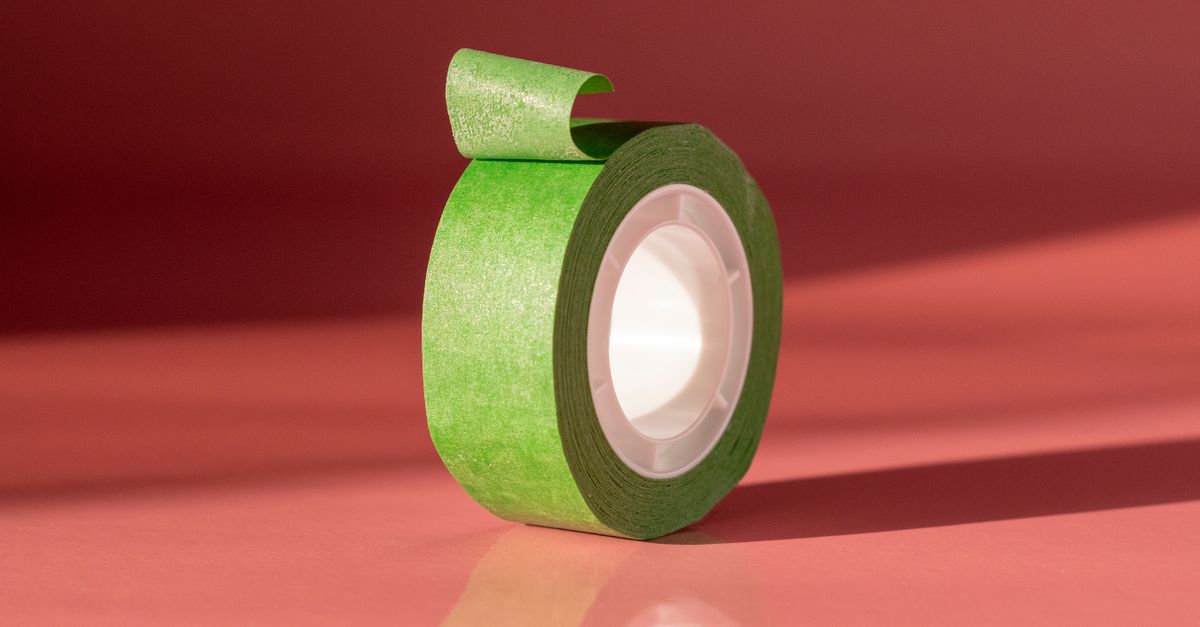
In Indian shops, "cello tape" is just the common name for clear, narrow sticky tape. BOPP is the film the tape is made on. So when a retailer asks you for cello tape today, he usually wants BOPP stationery tape, even though the name comes from a different film that was used almost a hundred years ago.
I like this question, because the answer is a small piece of history that still affects how orders get written.
We make clear BOPP tape at Jagannath Polymers Pvt Ltd (JPPL) and coat it with our own water-based acrylic adhesive. Our customers on this side of the business are stationery distributors and wholesale dealers. The same roll can easily get three different names in one phone call. That is fine on the phone. It is not fine on a purchase order.
Where did the name cello tape come from?
From cellophane.
Cellophane is a clear film made from cellulose, the same plant fibre that paper comes from. The first transparent sticky tape was made on it. Richard Drew, an engineer at 3M in the USA, developed it in 1930 as a nearly invisible adhesive on a coated cellophane backing (Lemelson-MIT, Richard G. Drew).
A few years later, in 1937, Sellotape was invented in West London (Sellotape, brand history). Between them, those two brands made "cellulose tape" a household thing, and the short word cello stuck in many countries, India included.
So cello is a material word that slowly became a product word. Like "xerox" for a photocopy.
What is BOPP tape?
BOPP stands for biaxially oriented polypropylene. Polypropylene is the plastic. "Biaxially oriented" means the film is stretched in two directions while it is being made, along its length and across its width. What comes out is a thin, clear, glossy film that takes printing well.
If you sell notebook covers, you already know this film. Our Classic, Combo, Lining and Clear covers are made on BOPP, and I have explained the three cover films in BOPP vs PP vs HM book covers. Tape uses the same family of film, coated on one side with adhesive.
Is cello tape the same as BOPP tape?
In the trade today, mostly yes. In chemistry, no.
The Bureau of Indian Standards put both films into one standard in 1992. IS 13262 covers pressure sensitive tapes with a plastic base, and it lists cellulose and polypropylene side by side (BIS, IS 13262:1992, reaffirmed 2003). It replaced an older standard that was only for cellulose tapes, IS 2880. Even the standard stopped treating cello tape as its own product more than thirty years ago.
Cellulose film tape has not disappeared. Sellotape, for example, now sells a range it calls Zero Plastic, made with cellulose film and a plant-based glue, according to the same brand history page. That is a speciality product. When an Indian retailer says "cello tape" across his counter, he is not asking for that.
| Cello tape (original sense) | BOPP tape | |
|---|---|---|
| Film | Cellophane (regenerated cellulose) | Biaxially oriented polypropylene |
| Where the name is used | Shops, homes, schools | Factories, invoices, quotations |
| What a retailer means by it today | Any clear narrow tape | The actual film of most clear tape |
| In IS 13262 | Covered | Covered |
What does a retailer mean when he asks for cello tape?
In my experience, he means three things at once:
- The tape is clear, not brown.
- It is narrow, for a desk or a school bag, not 48 mm packing tape.
- It sticks to paper and card with a light press.
He does not mean a particular film, and he will not ask. He will notice only when the roll yellows, tears badly or stops sticking. Then the "cello tape" from one supplier becomes "that bad tape", and you hear about it.
That is the reason I push distributors to stop ordering by name.
What should I write on a purchase order instead?
Write the specification, not the nickname. Five lines are enough:
- Film: clear BOPP.
- Adhesive: water-based acrylic (or whatever you have agreed with your supplier).
- Width in mm: 12, 18 or 24.
- Length in metres, as actually measured on the roll.
- Thickness in micron, if you have agreed one.
Add the core size if your retailers sell the tape in a desk dispenser. Our guide to stationery tape sizes explains why that one gets missed, and how to check width and length on arrival.
With these five lines, two quotes become comparable. Without them, "cello tape 18 mm" from two suppliers can be two quite different rolls.
Does the adhesive change with the name?
No. The name tells you nothing about the glue.
The adhesive is a separate choice from the film. Some tapes use rubber-based adhesives, others use acrylic. Ours is a water-based acrylic that we make in-house. Why that suits stationery work is a longer story, so I have written it separately in water-based acrylic adhesive tape.
Where JPPL fits, and where it does not
We make clear BOPP stationery tape in narrow widths such as 12, 18 and 24 mm, and other widths to order. We do not make cellulose film tape. If a buyer specifically needs a cellulose film, we are not the right maker for that order, and I would rather say so here than waste his time.
For the clear BOPP rolls that most retailers mean when they say cello tape, see our stationery tape page. If you also buy notebook covers from us, put both in one enquiry.
Call it cello tape at the counter. Just write BOPP on the order.
Questions buyers ask
Is cello tape plastic?
The tape sold as cello tape today usually is, because it is made on BOPP film. The original cello tape was made on cellophane, which is regenerated cellulose from plant fibre. If you need to know, ask your supplier which film the roll is made on.
Is Sellotape the same as cello tape?
Sellotape is a British brand, first made in 1937. Like cello tape, people use it loosely for any clear sticky tape. On a purchase order, write the film, width and length instead of a brand name or a nickname.
Can I still buy tape made on cellulose film?
Yes, it still exists as a speciality product. Ask for it by name, cellulose film tape, and expect it to be priced and made differently from everyday BOPP tape.